



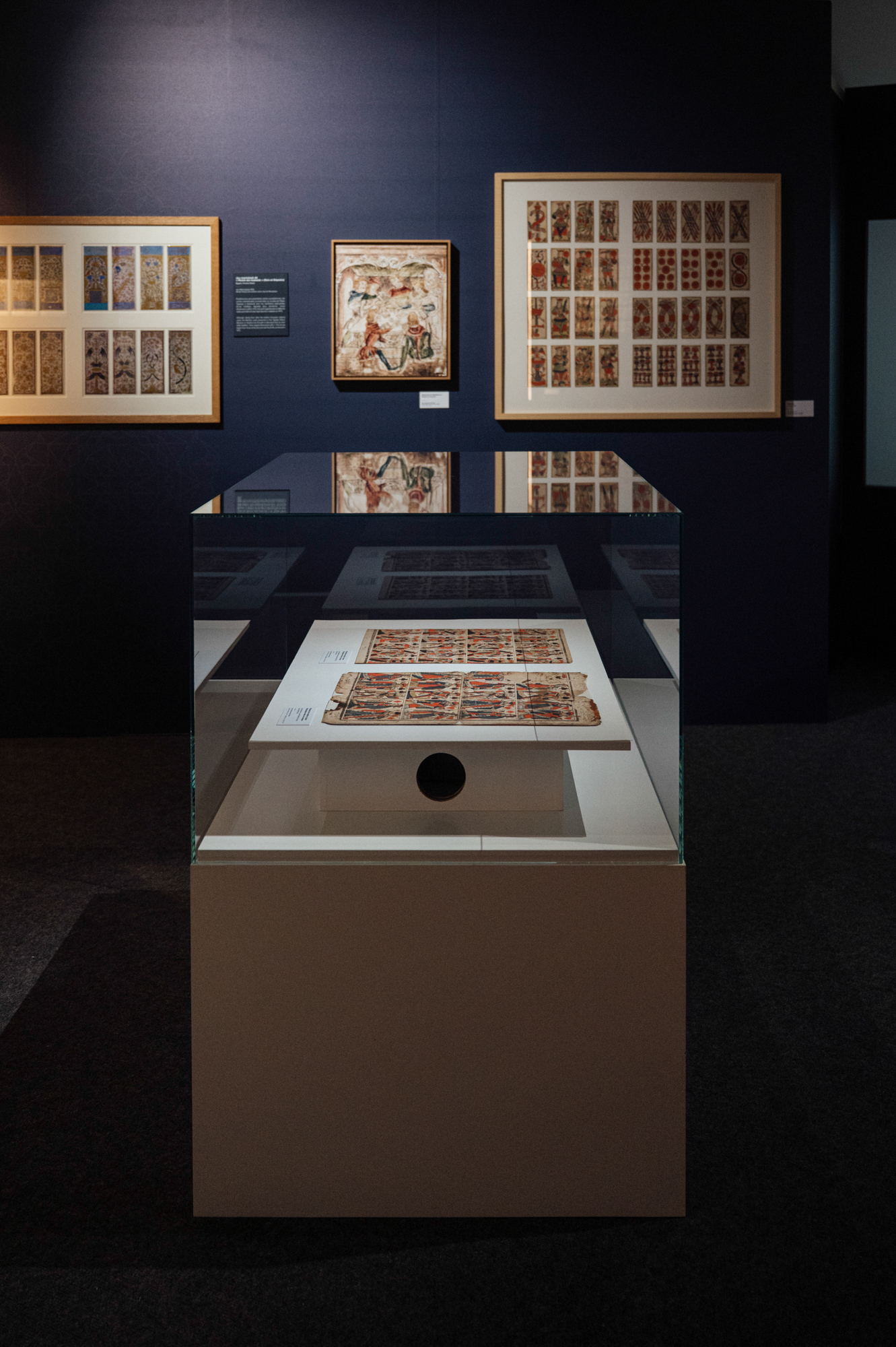
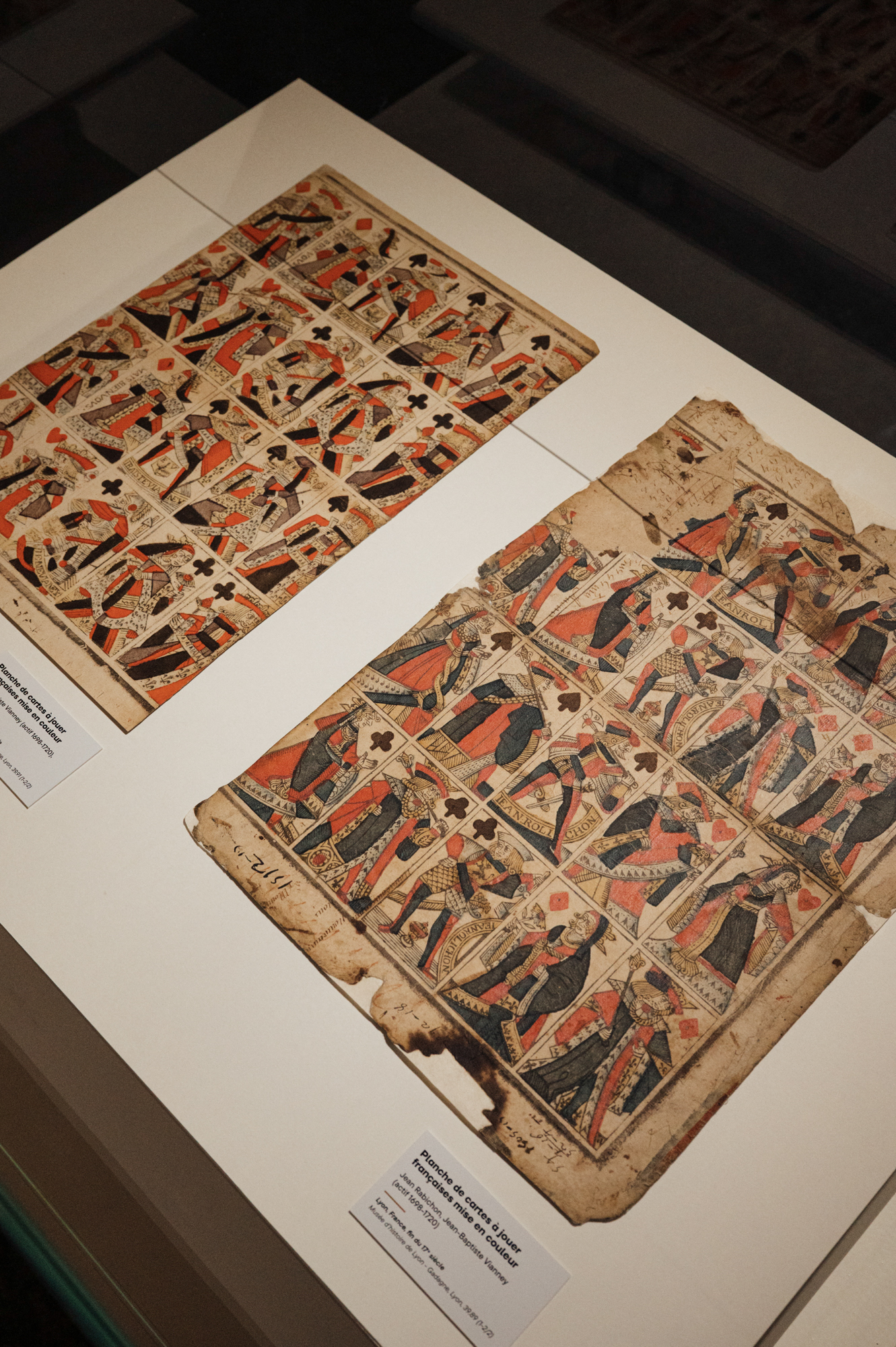
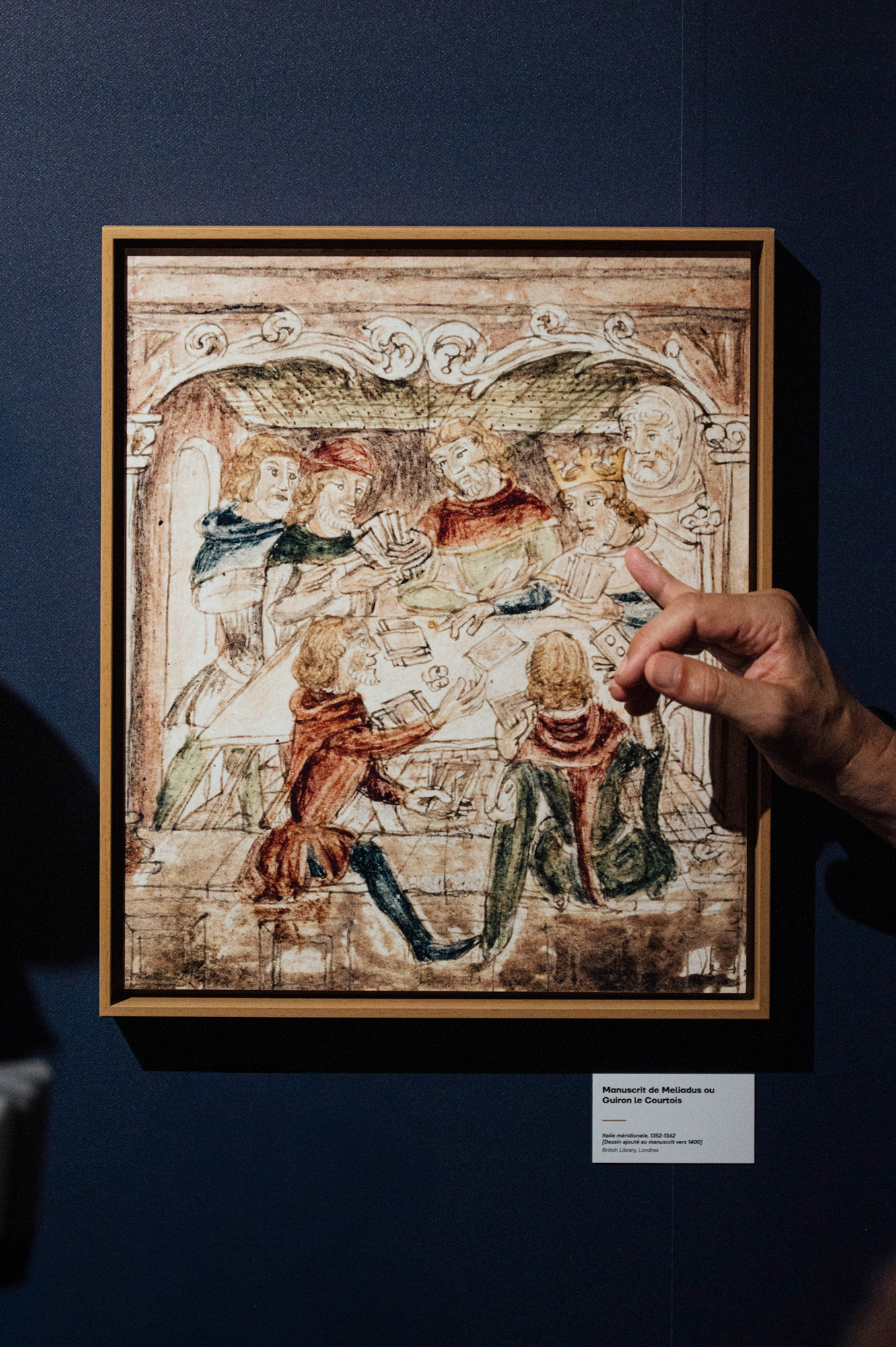
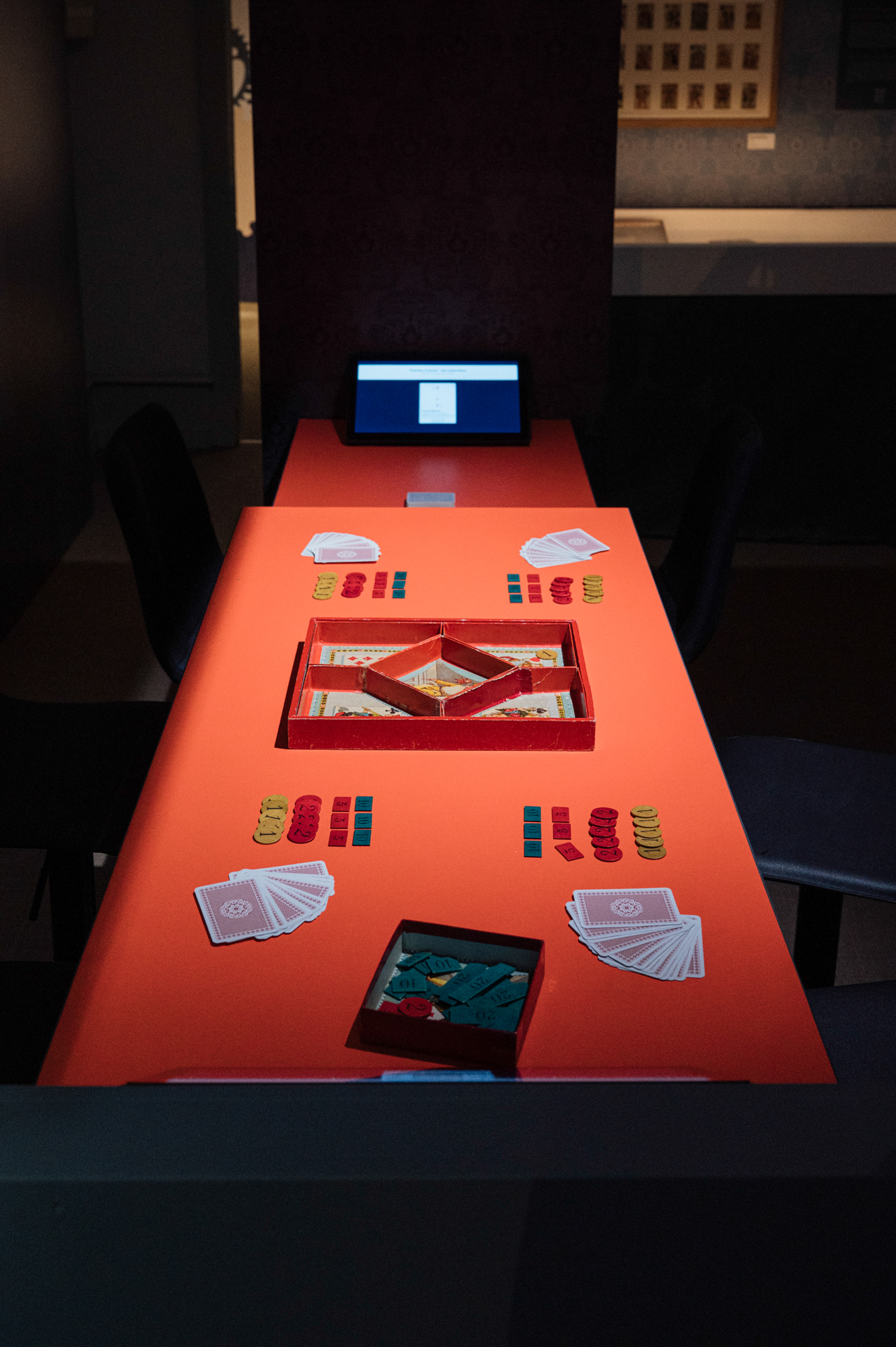
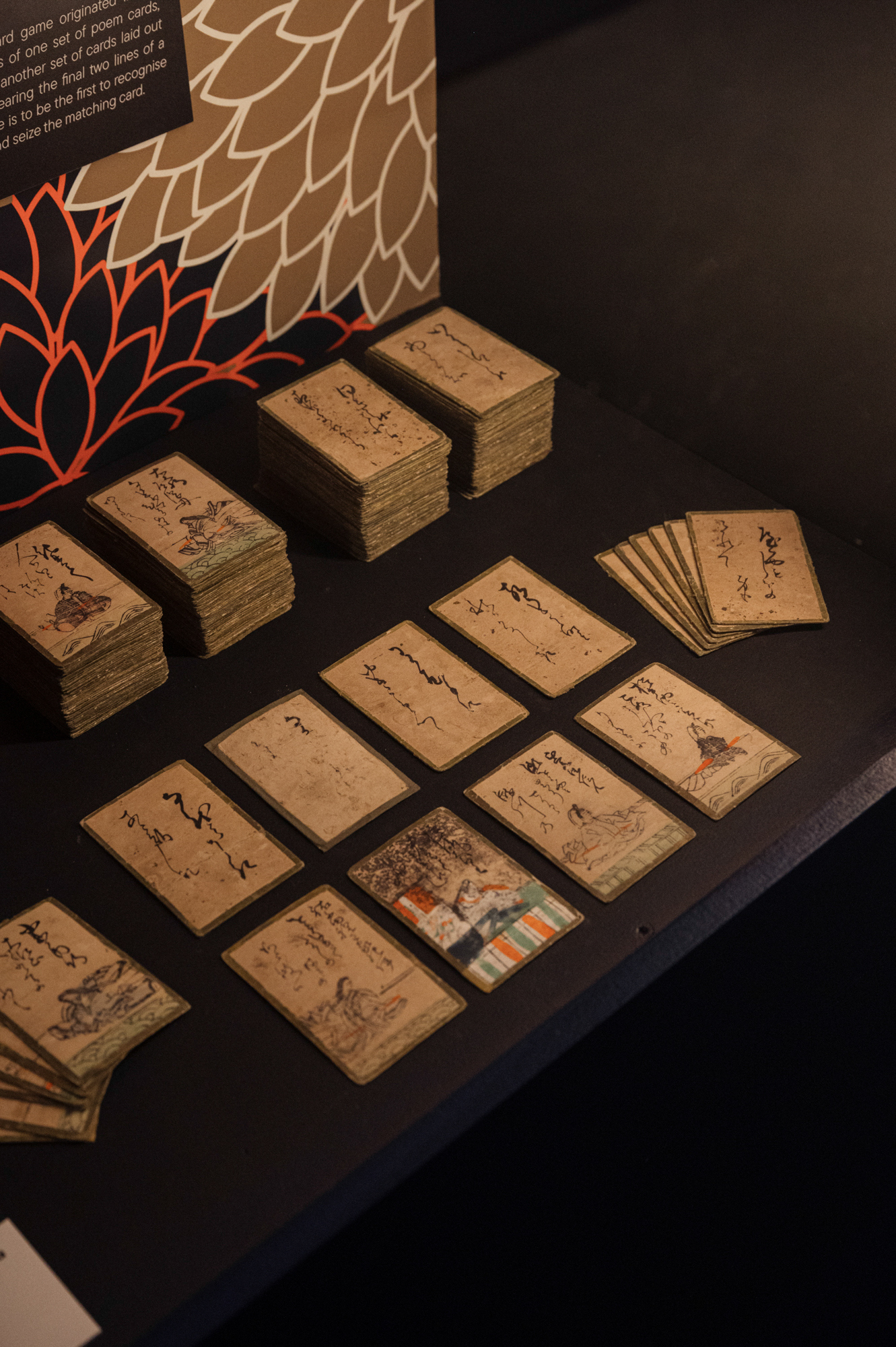
Playing cards first appeared in Europe in the 1360s, likely introduced from the Muslim world and decorated with symbols known as “Latin” suits (clubs, cups, coins, and swords). Quickly adopted, their ease of use and light weight contributed to their widespread adoption amid the rise of printing technology.
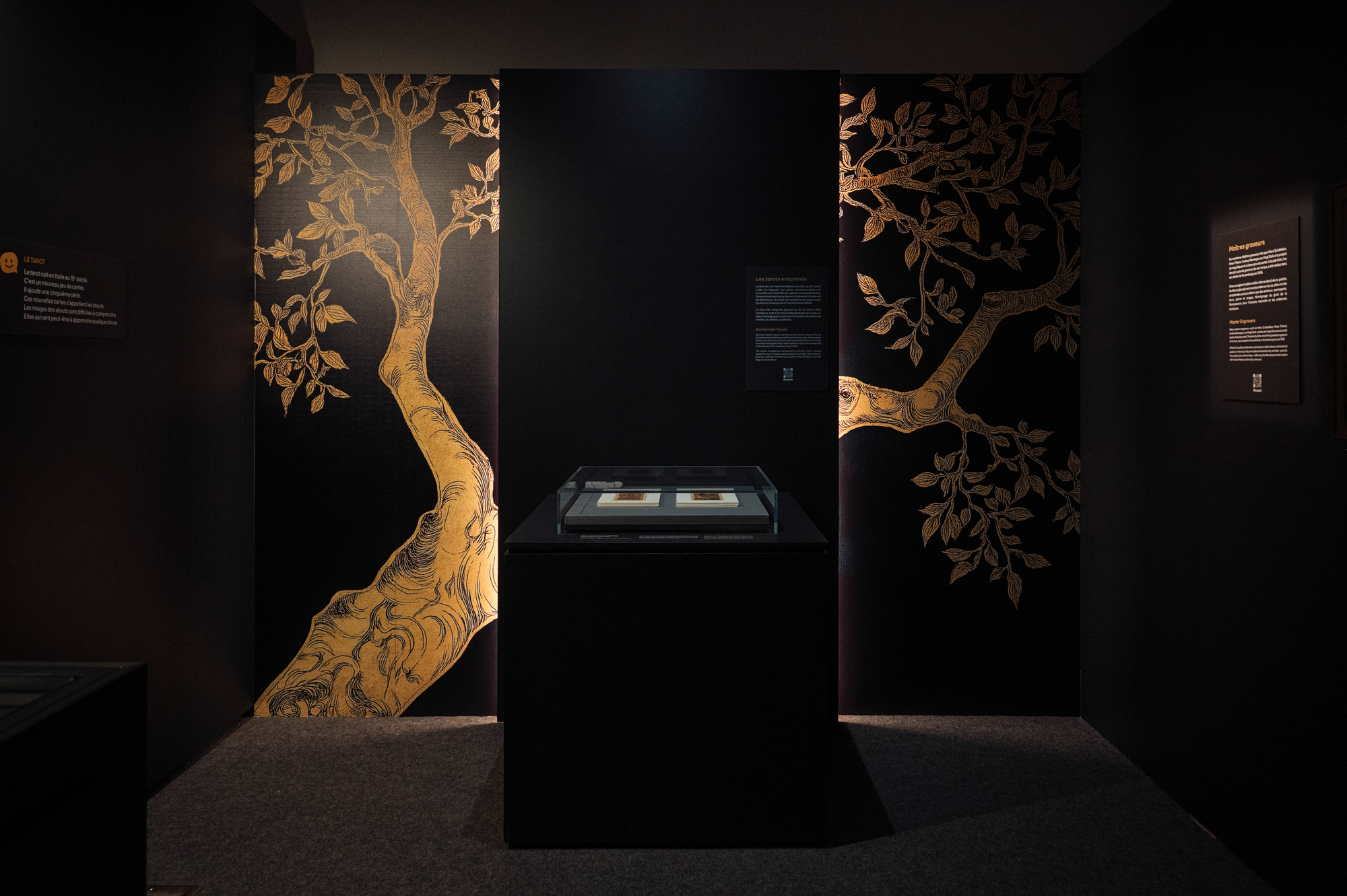
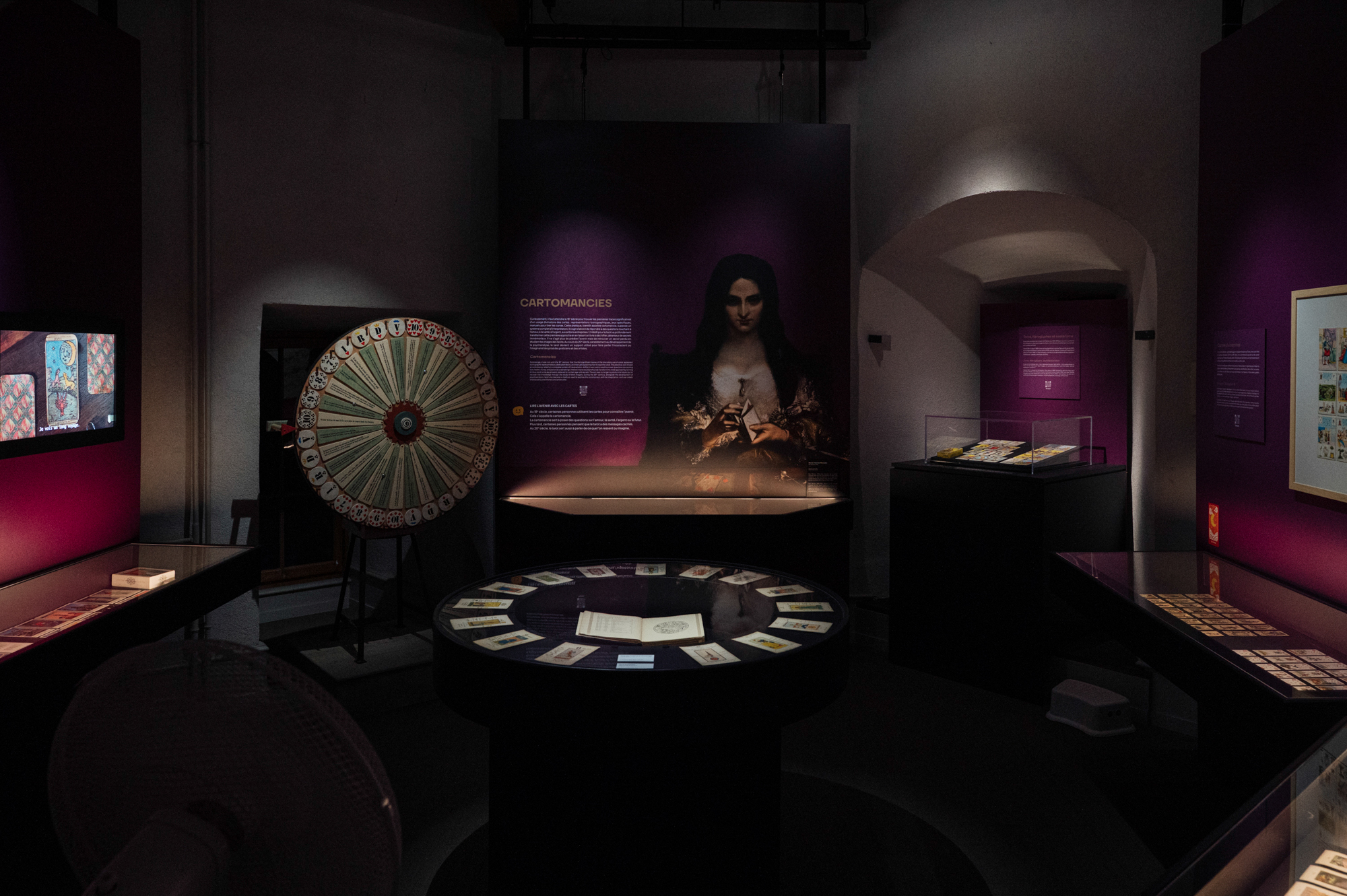
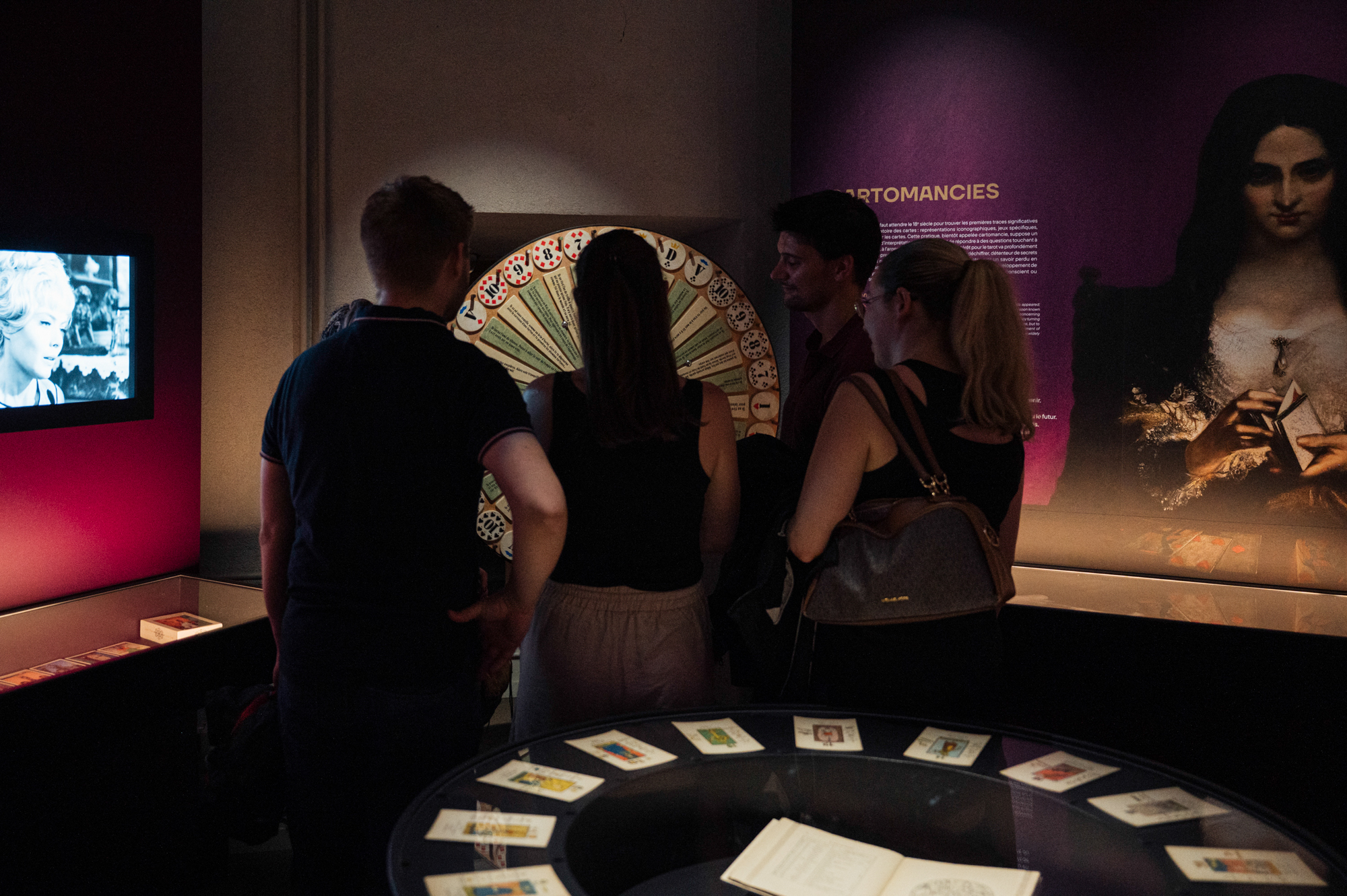
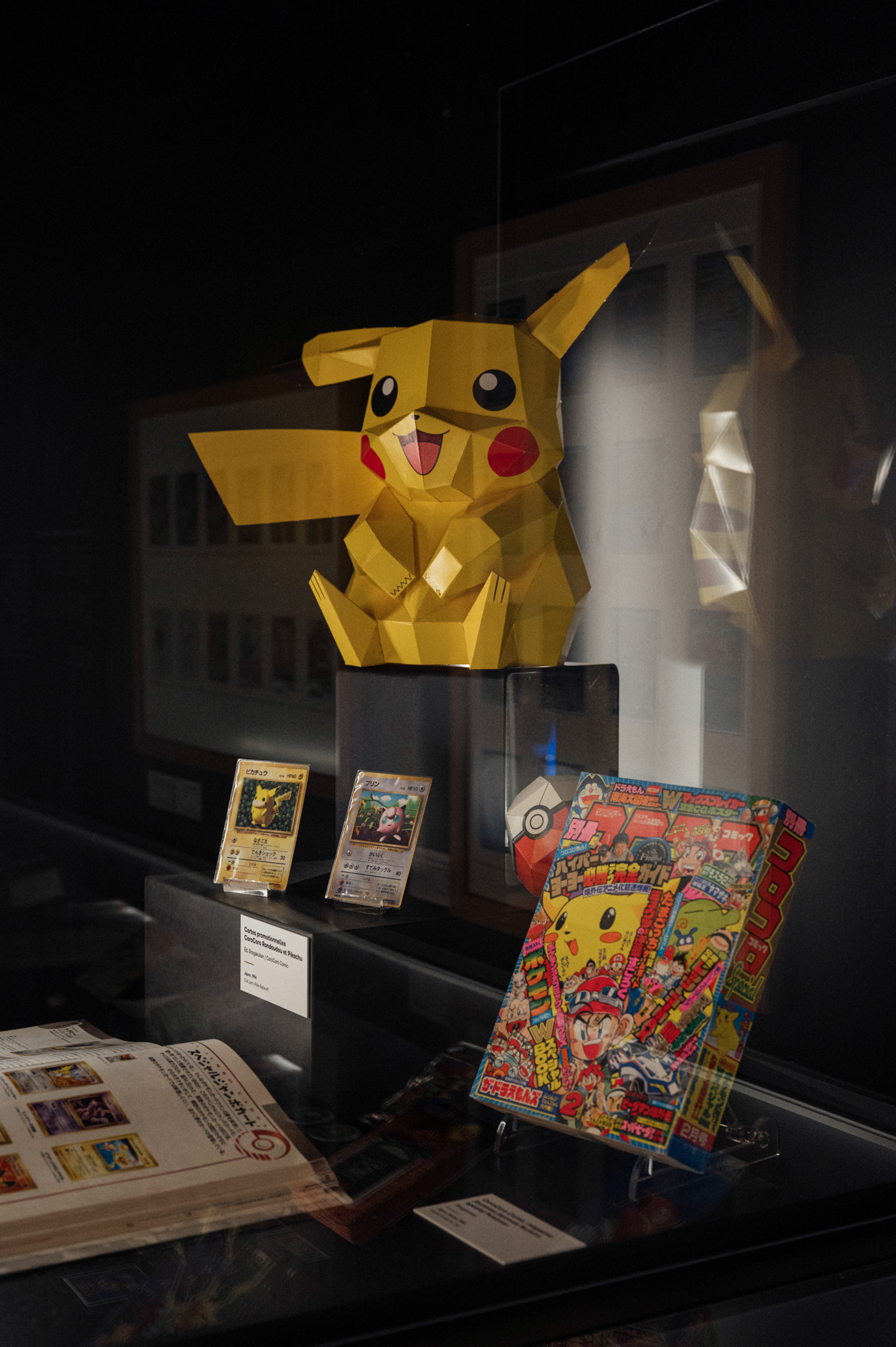
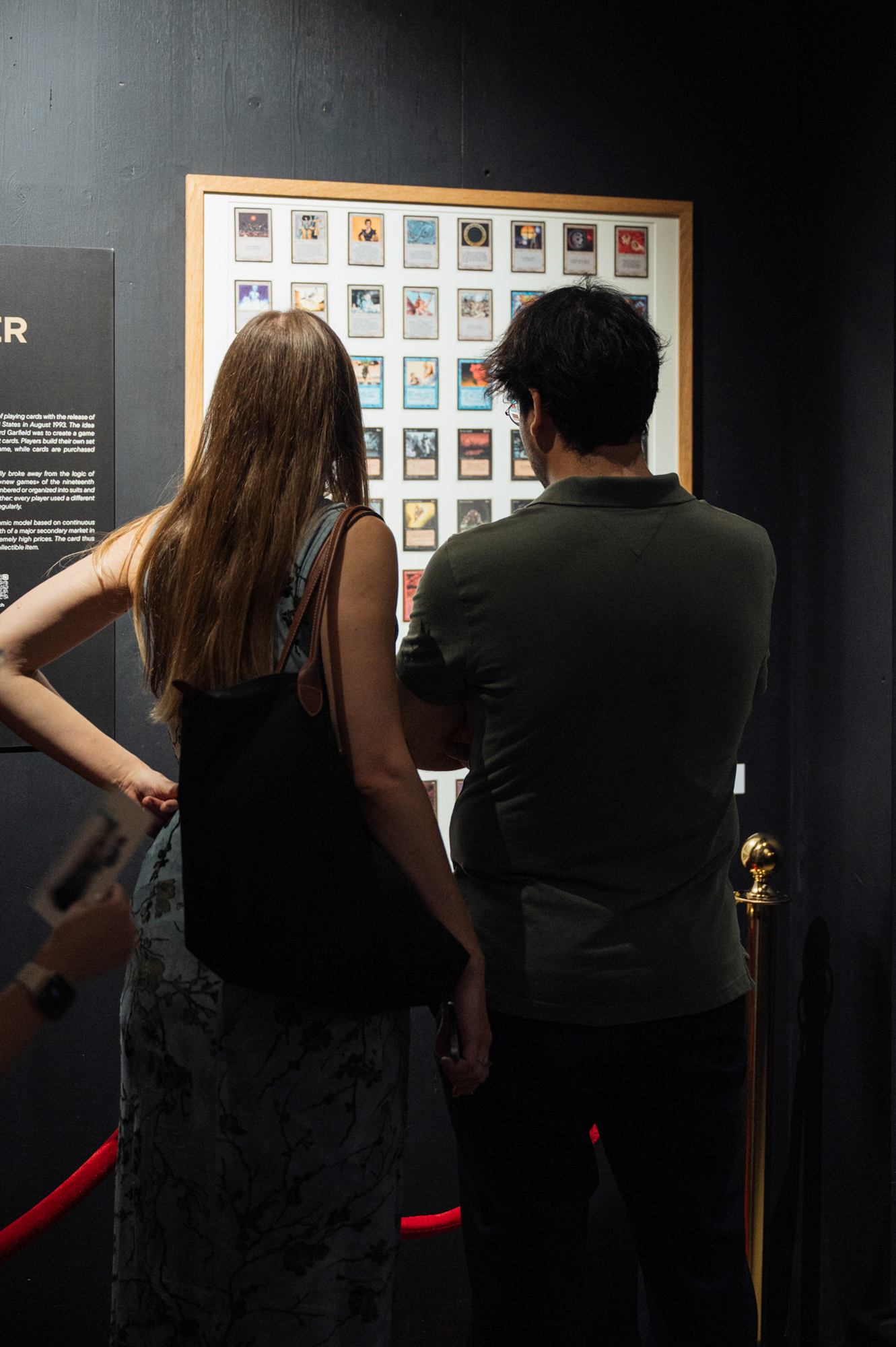
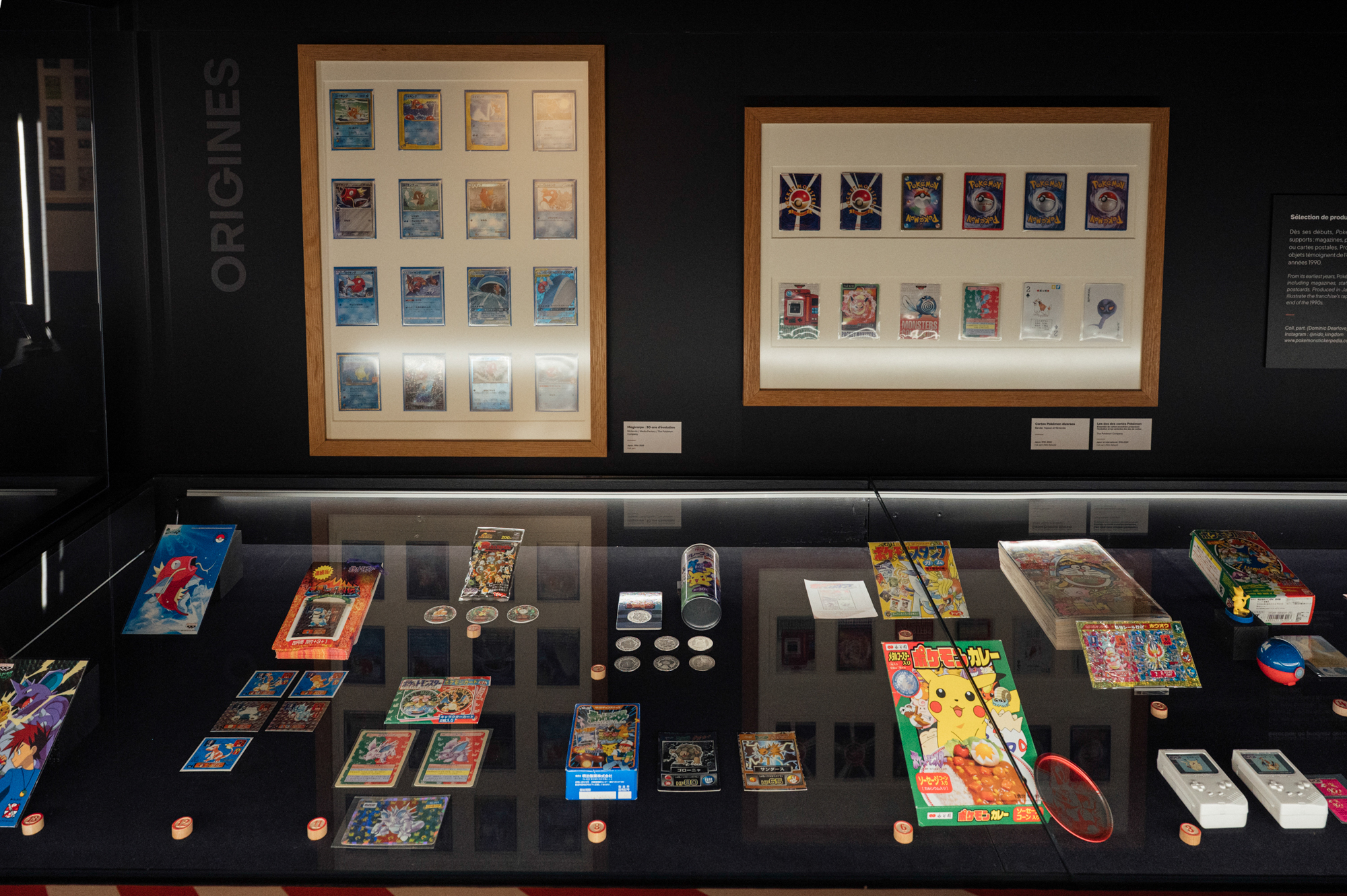
While the structure of playing cards has shown remarkable longevity, each century has brought its own innovations. In the15th century, the Tarot enriched card games with additional trump cards. In the 18th century, cartomancy emerged, while in the19th century, numerous technical innovations became widespread to improve card quality and combat cheating. By the end of the20th century, collectible card games ( “Trading Card Games” ) marked a new turning point with the emergence of evolving games that combined gameplay and collecting.
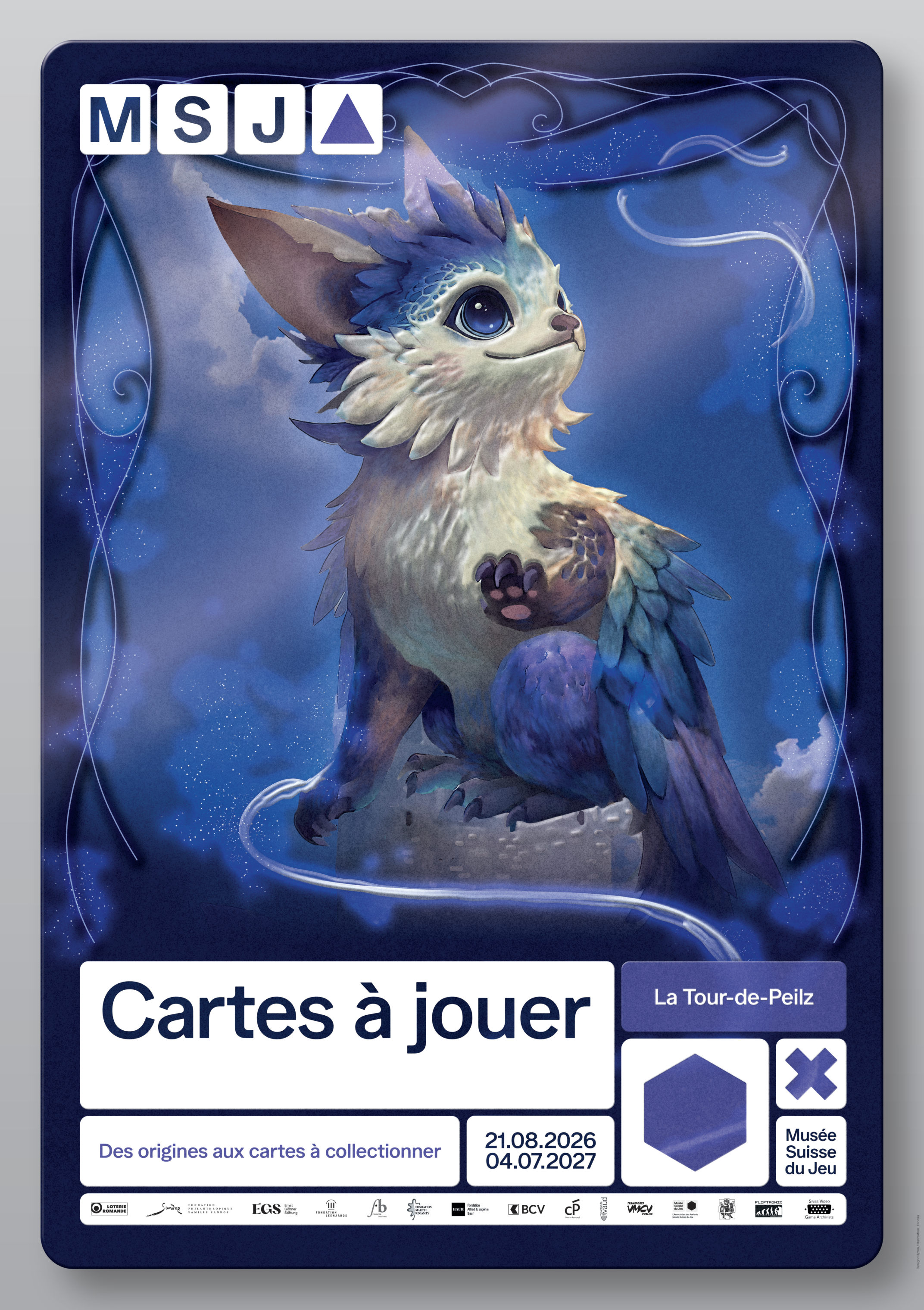
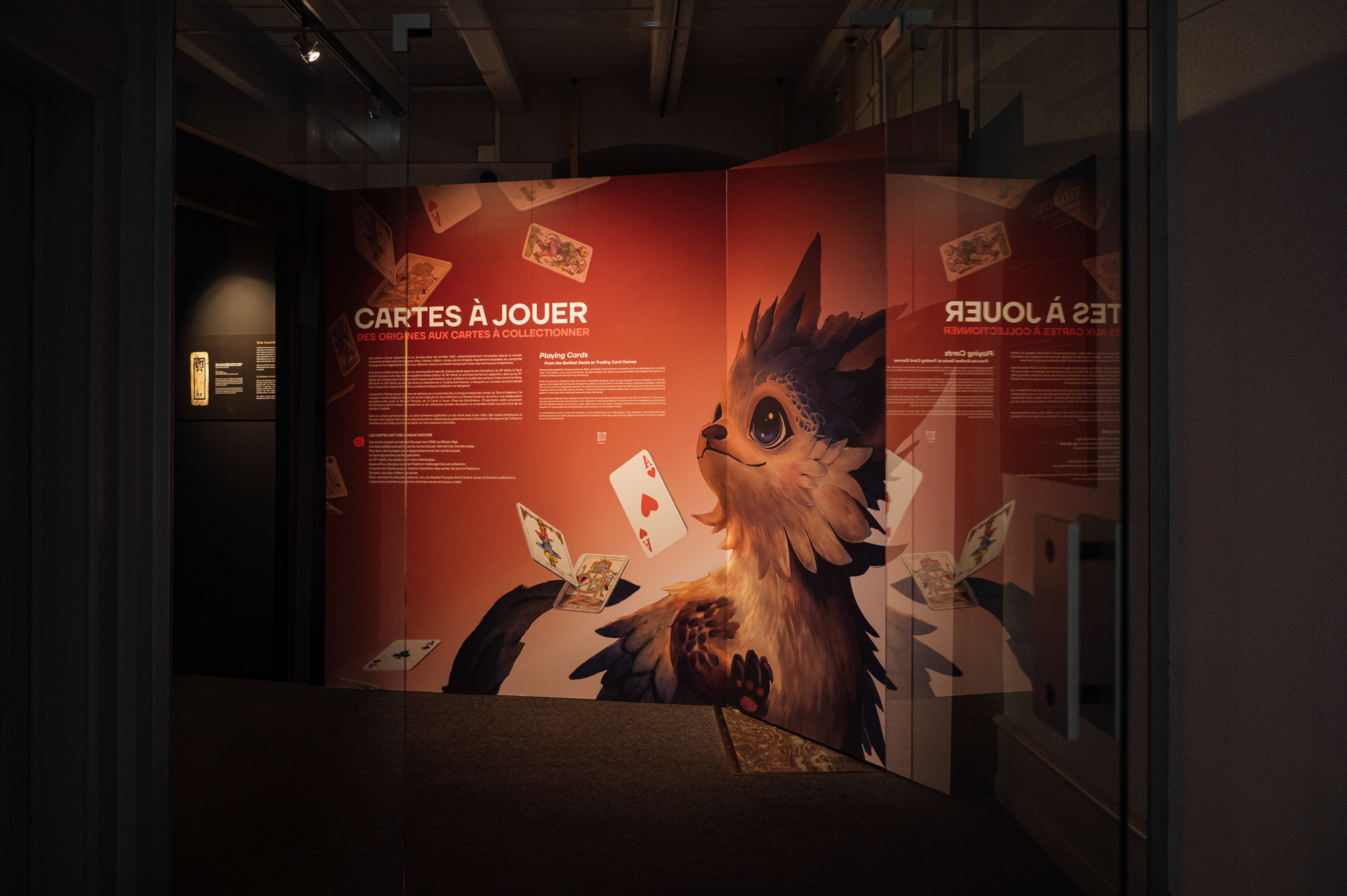
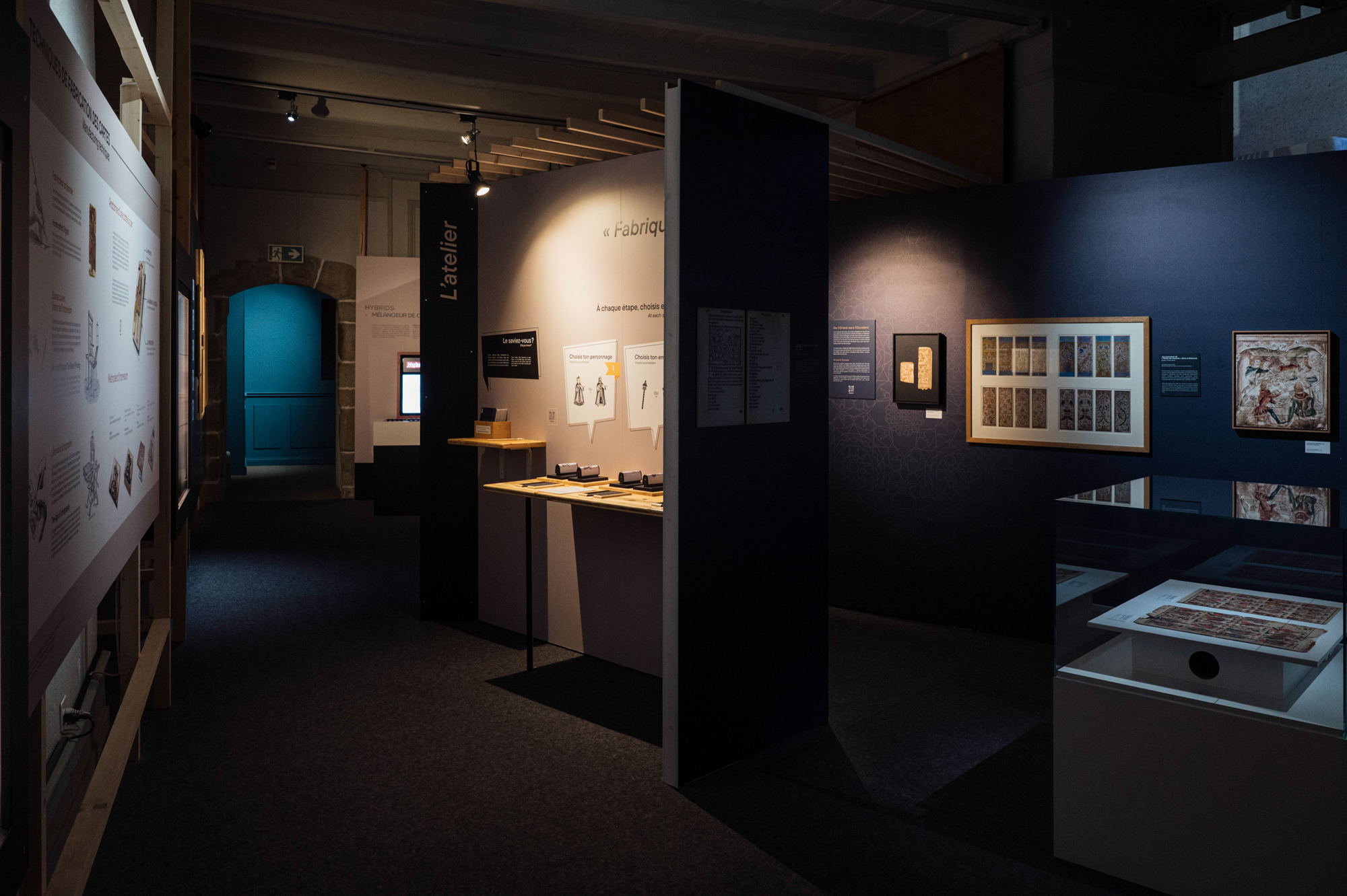
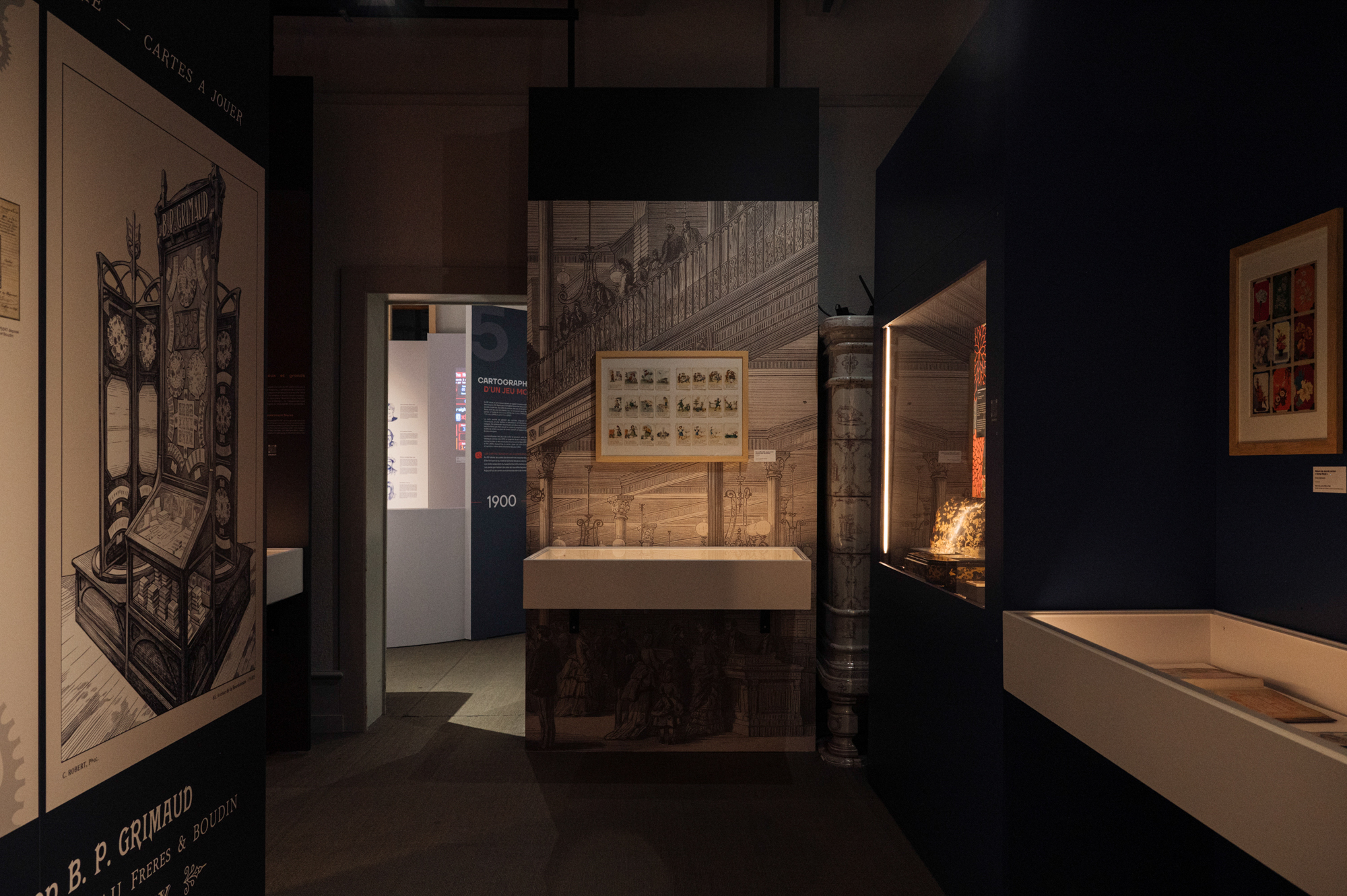
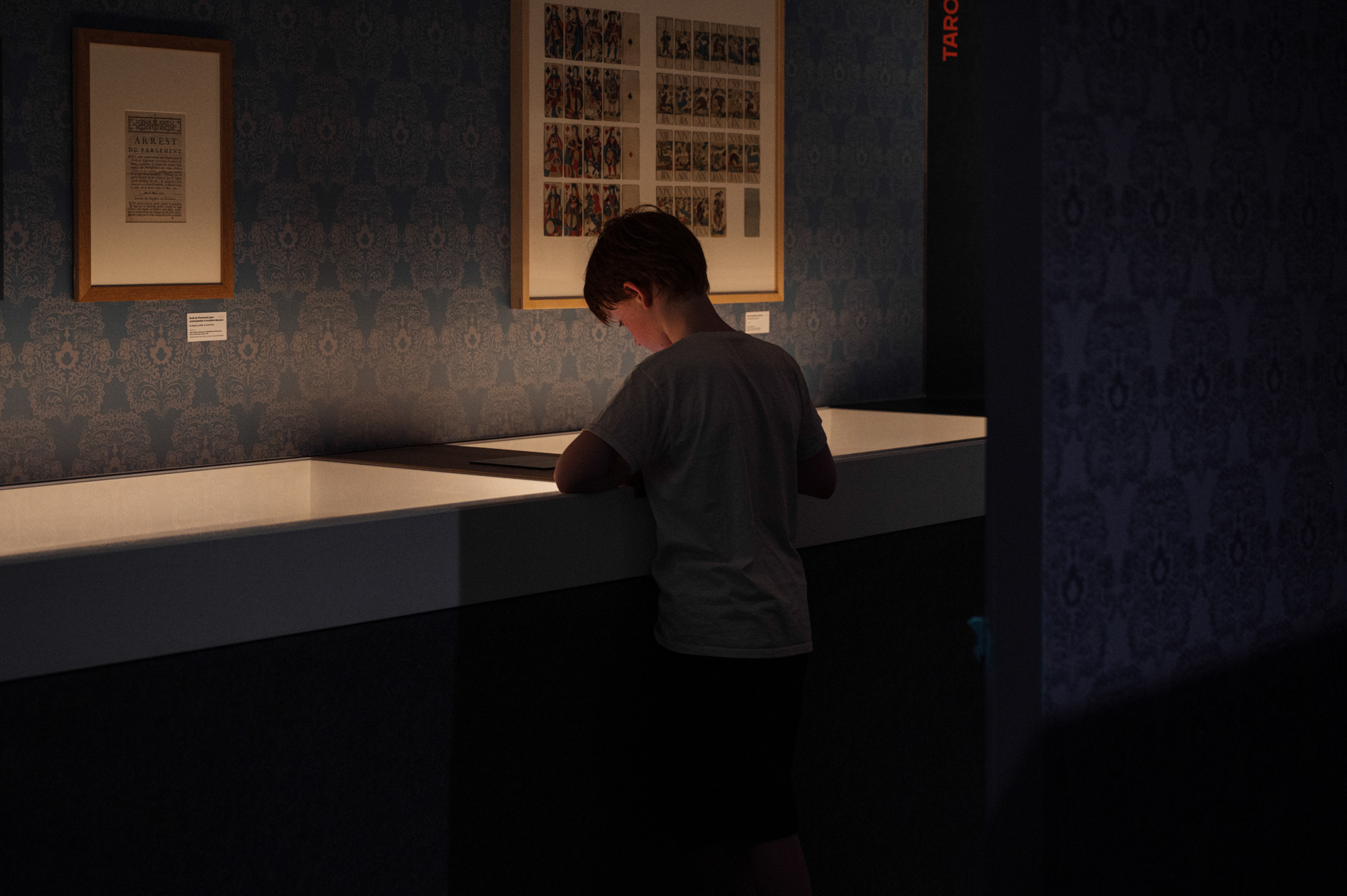
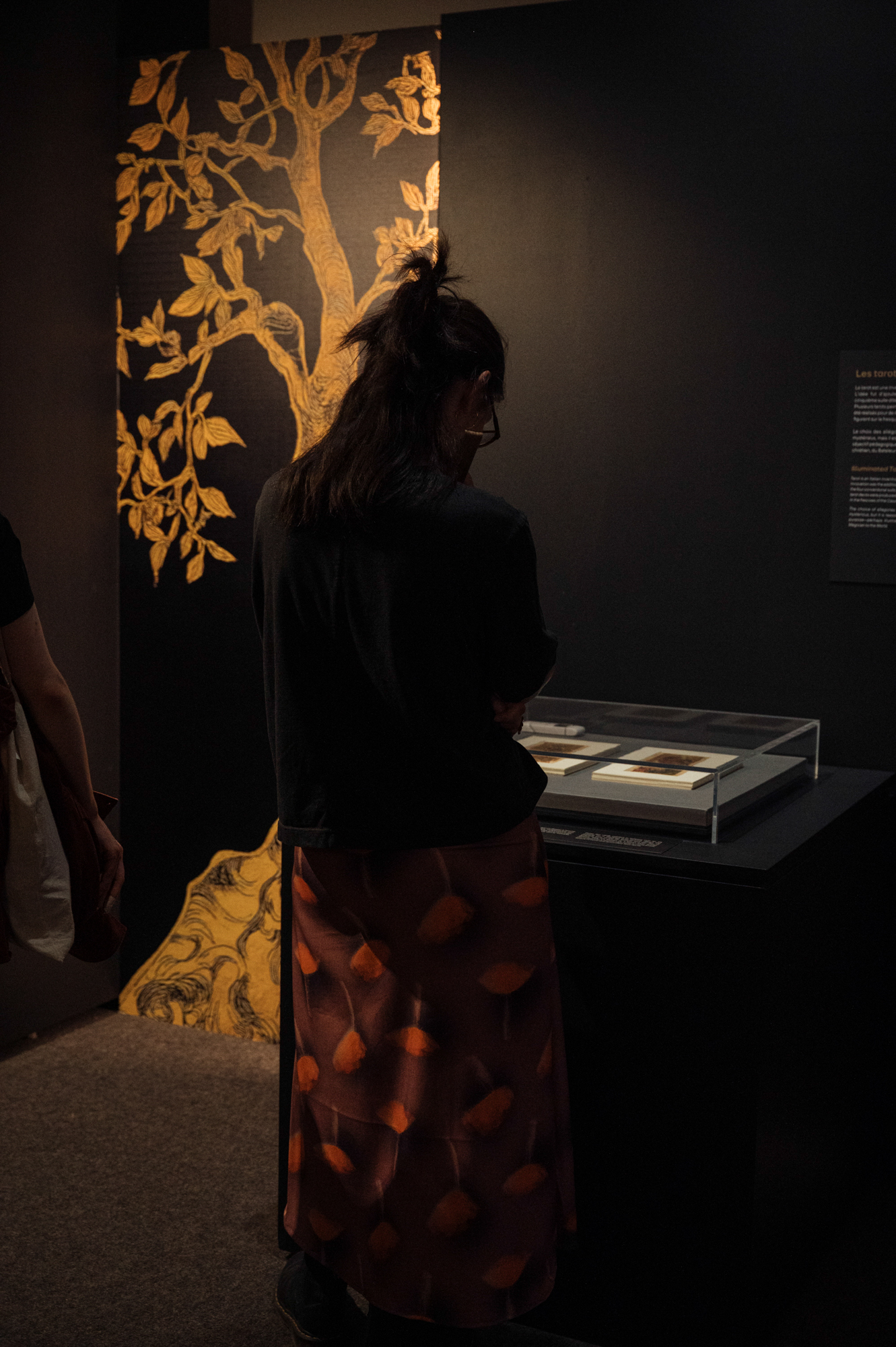
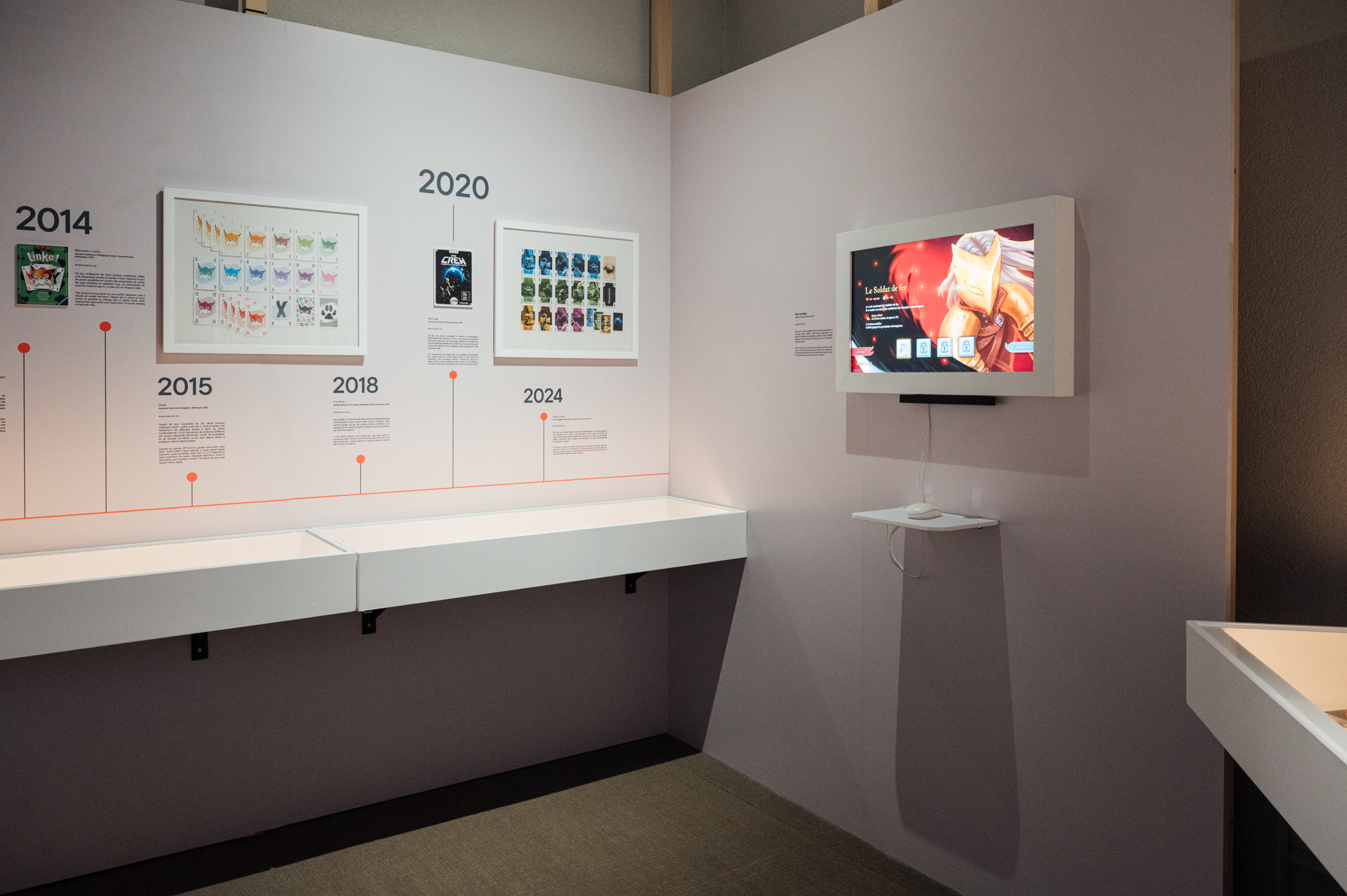
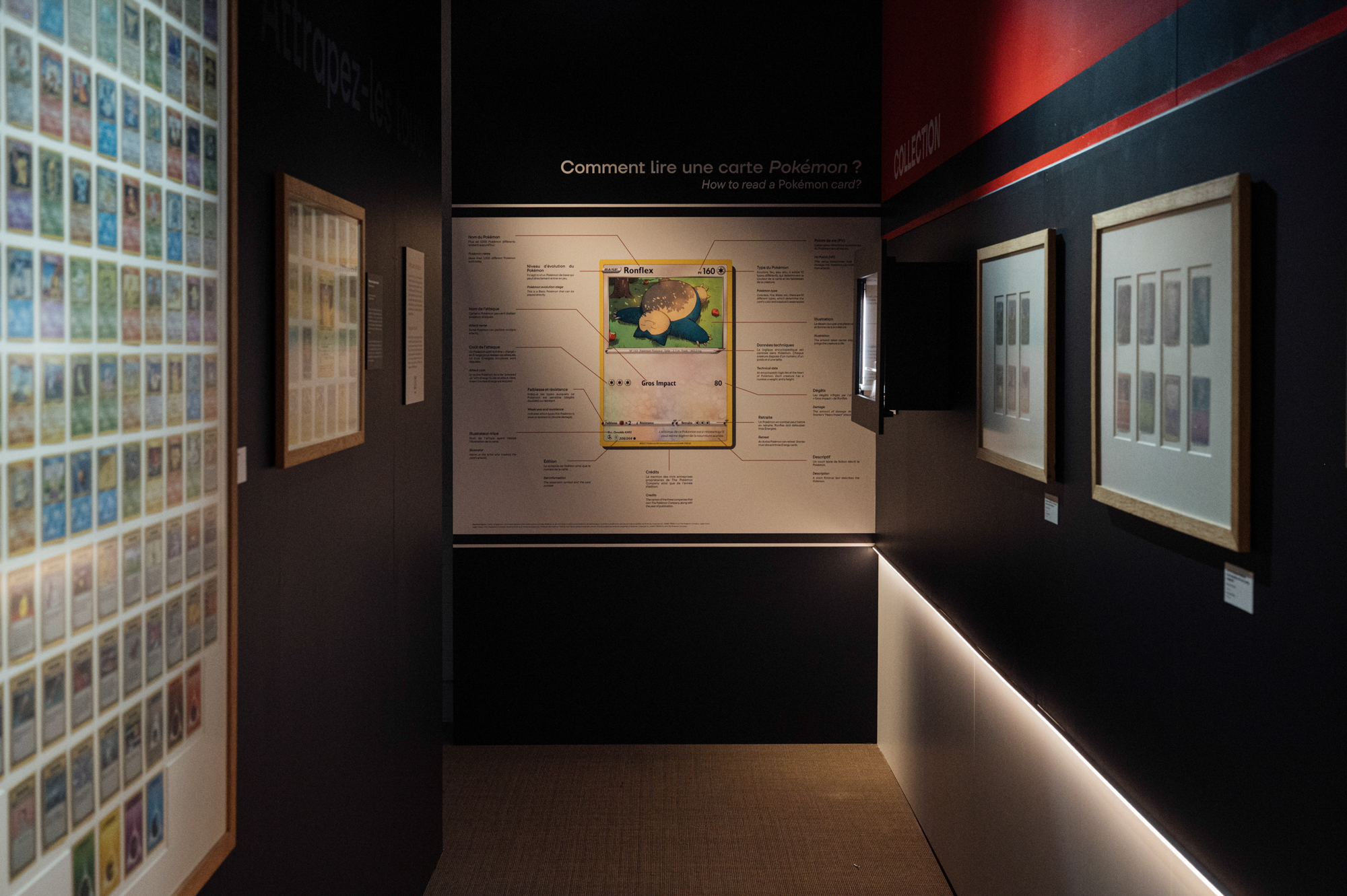
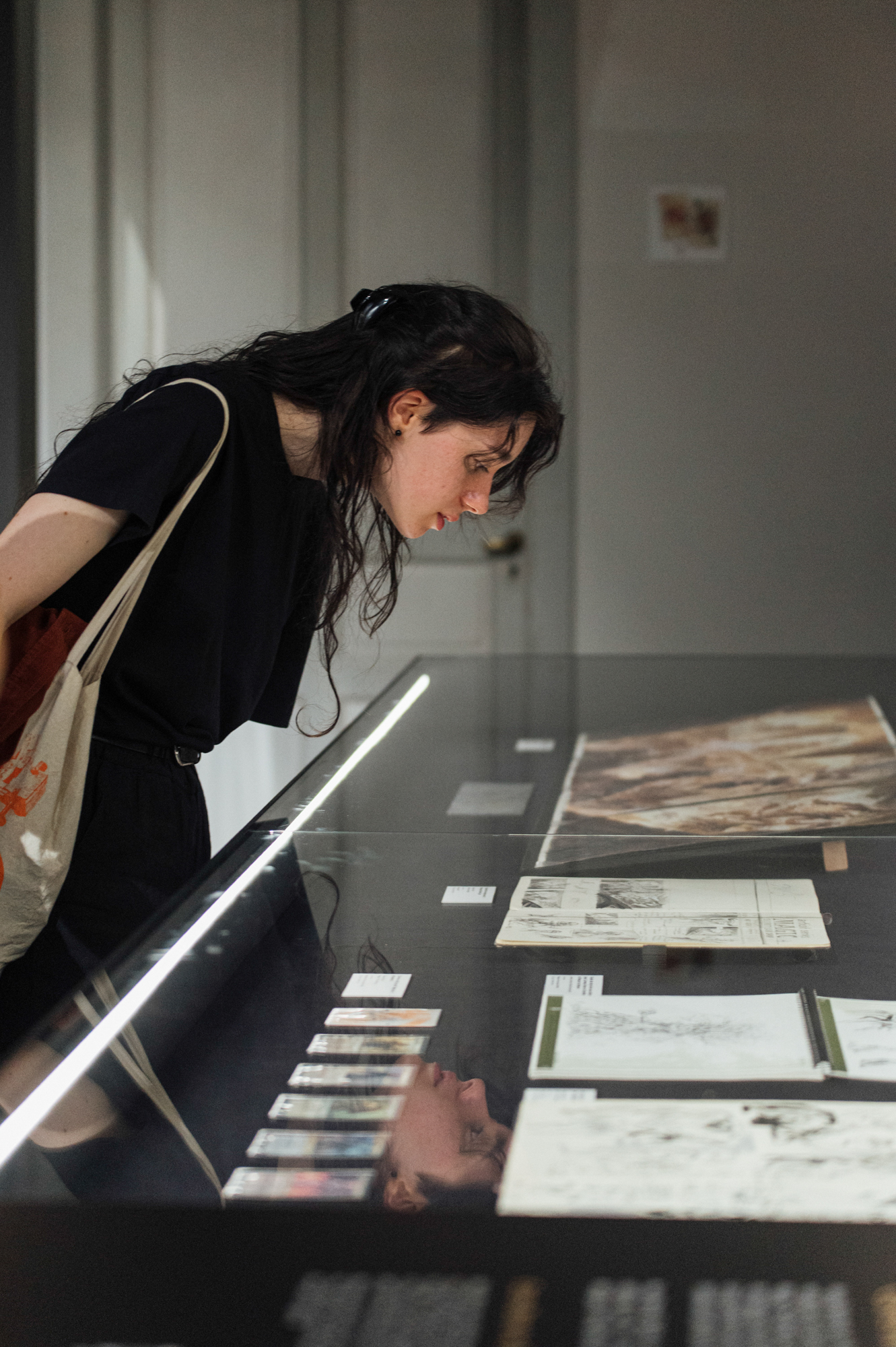
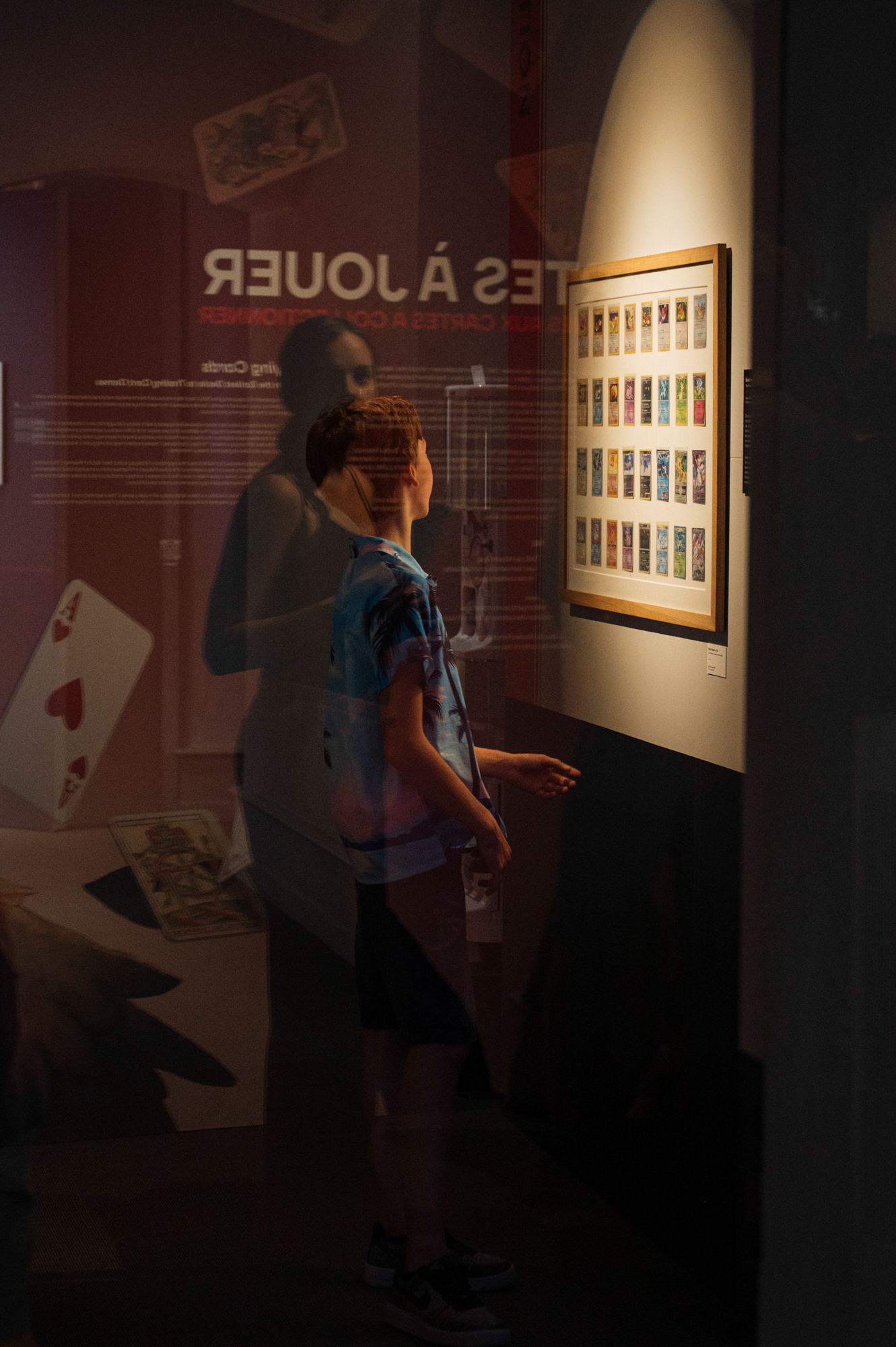
The “Playing Cards” exhibition traces , for the first time, the long history of cards, from Tarot to Pokémon. This journey through several thousand cards draws on the collections of the Swiss Museum of Games and an exceptional collaboration with the French Museum of Playing Cards in Issy-les-Moulineaux. Significant loans from European heritage institutions and private collections bring together a unique collection spanning more than six centuries of history.
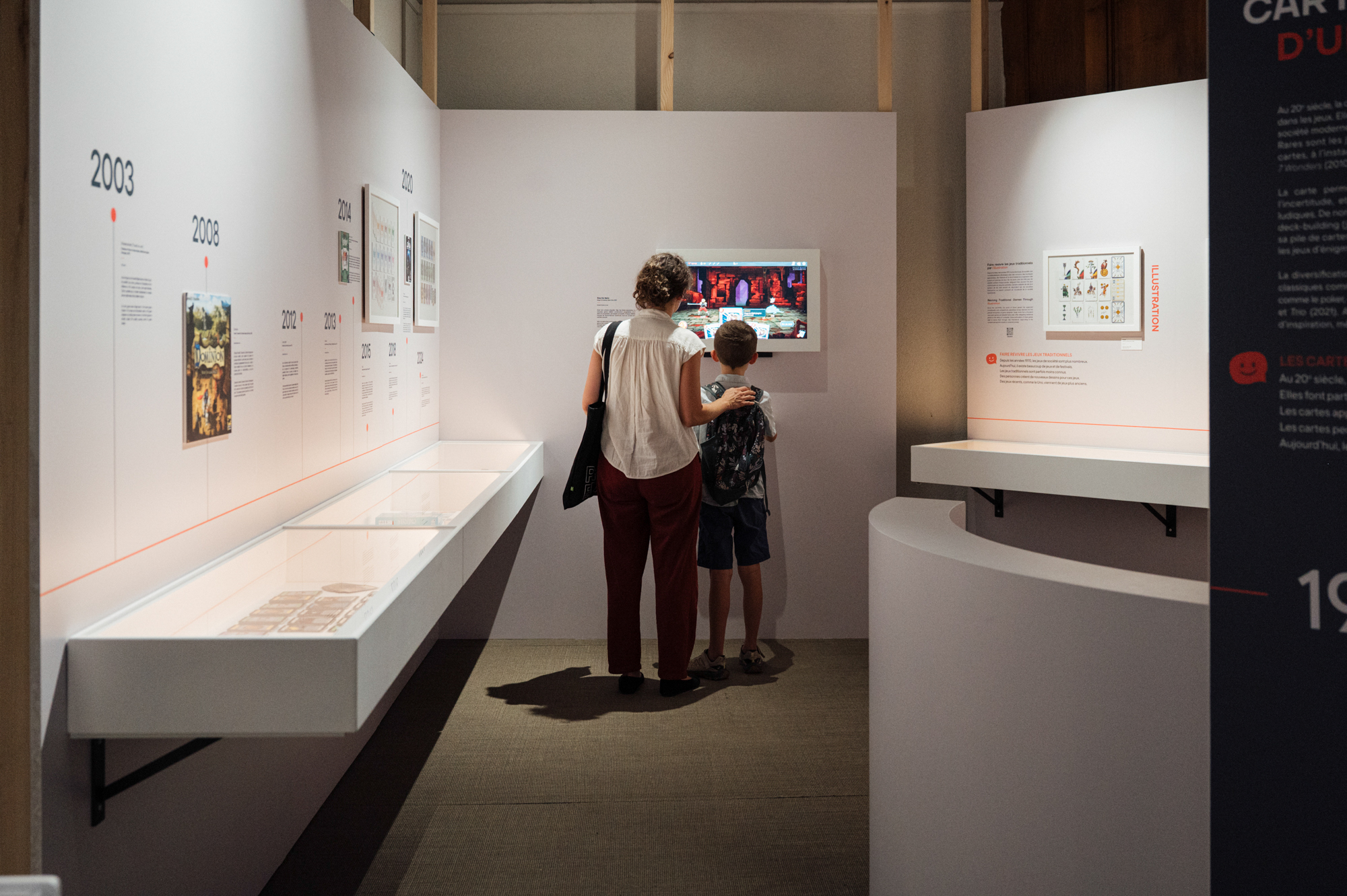
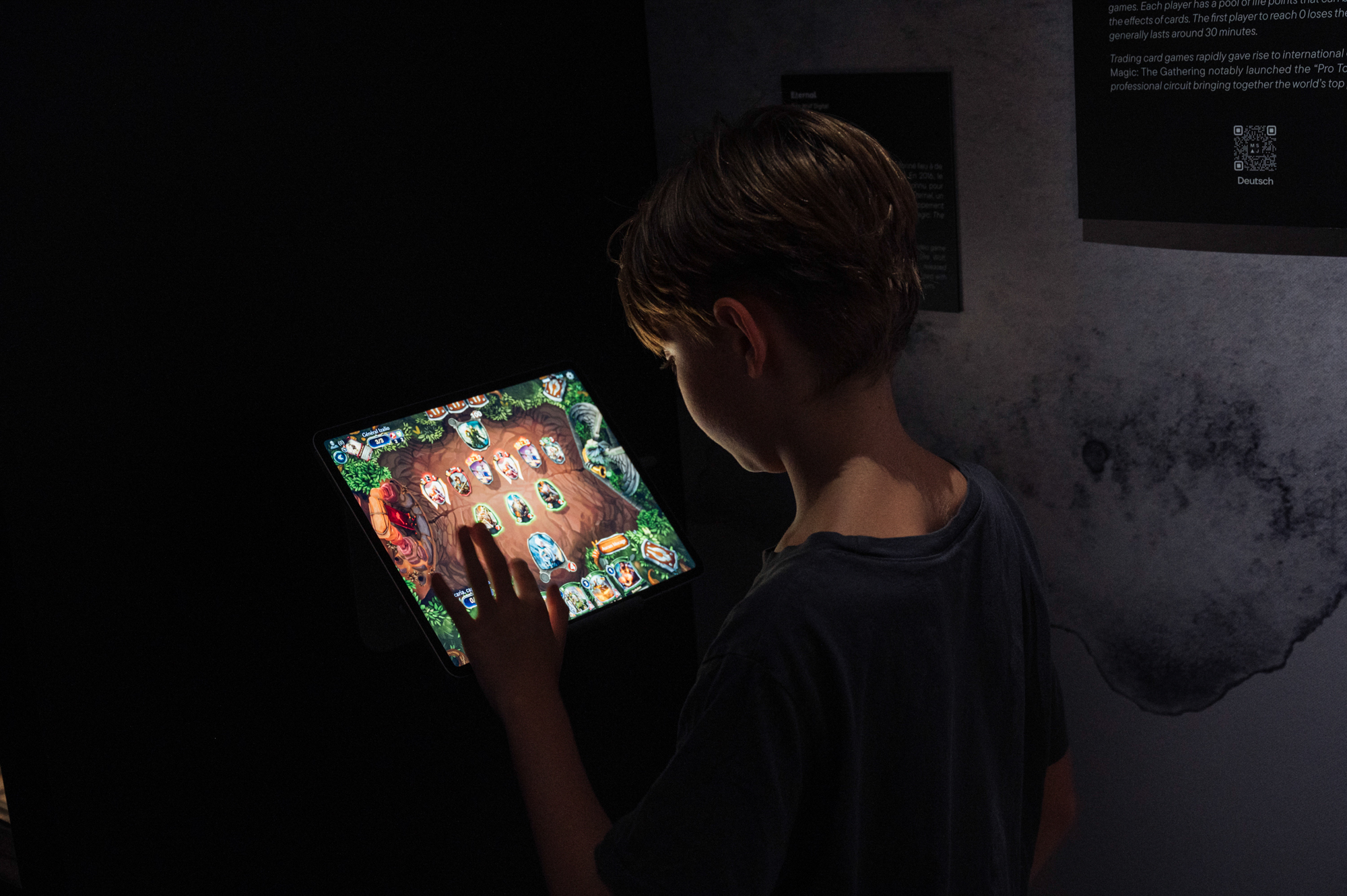
In contemporary culture, the map also has close ties to video games. Its aesthetic and functional elements permeate many of the video game titles featured in the exhibition, demonstrating the enduring influence of these thin sheets of paper on our cultural practices.